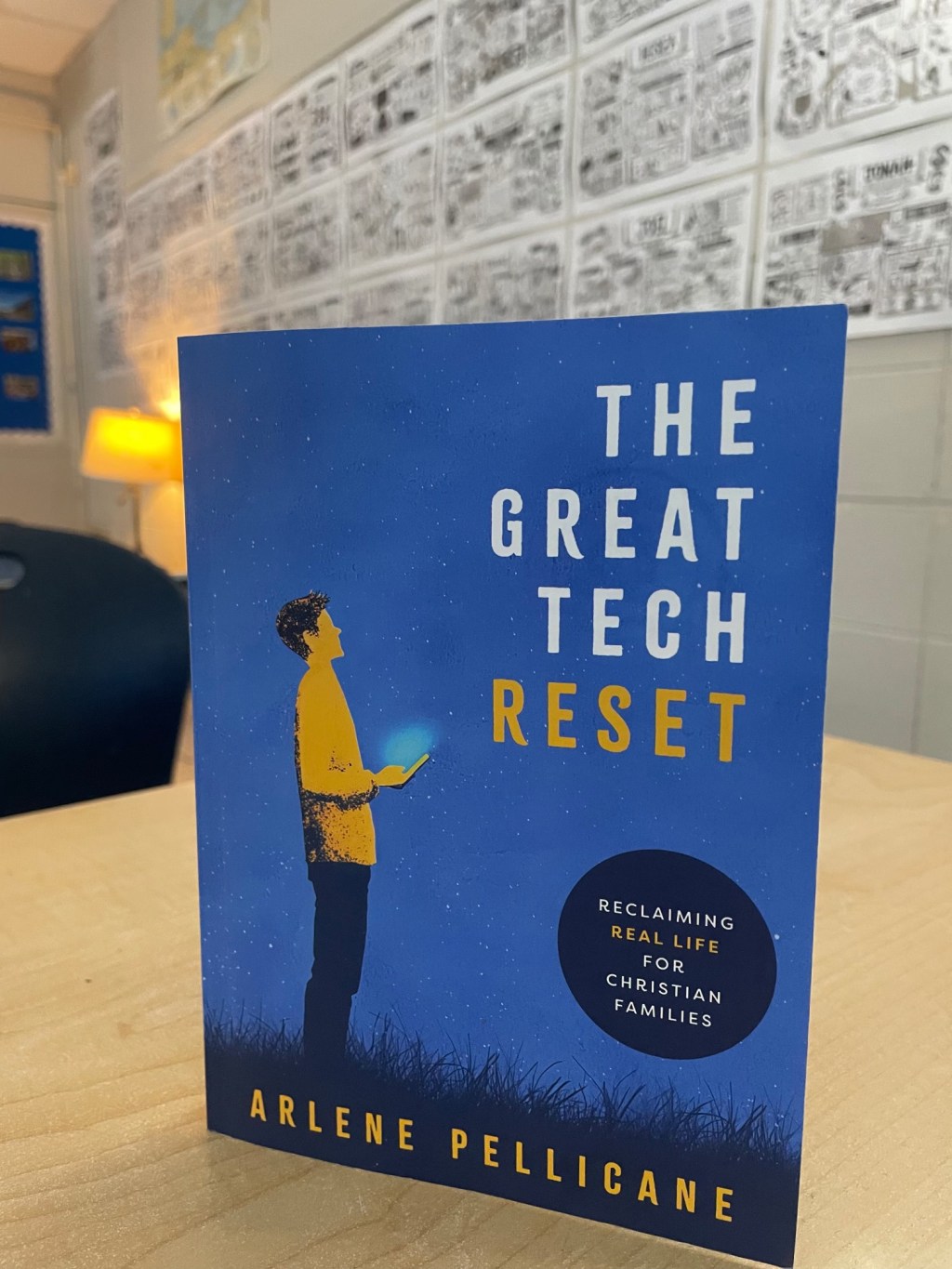
Before I get into this thing, I wanted to share why I’m doing these book reviews. Have you ever heard the phrase, “leaders are readers”? I’ve learned that it’s a good statement! Whether you really enjoy reading or not, you can still become a reader in some capacity. I know some people that can read a book a week! That’s not me, by the way. I always seem to have high hopes to read more than I do. However, I’ve settled into not reading for quantity, but quality. My goal is to always have a book that I’m reading. The pace at which I read that book though is no pressure. The reason I want to always be reading a book, is because it’s better for me to grab a book at times than an iPad or phone. Before I go to bed, it’s better for me to look at printed pages, then to look at a screen, and I want to be a continual learner. I also want to hold myself accountable to keep reading and growing. We usually don’t agree with everything we read in a book, but we can still learn and process. So, these book reviews are a follow up to what I’m reading and learning. If anything, it’s good for my own growth to write them. But in the process, if I can encourage someone else along the way, that’s a win too. So, here is my first attempt.
BOOK TITLE: The Great Tech Reset
AUTHOR: Arlene Pellicane
Amazon link HERE
- Why did I get this book?
In all honesty, this book was free. Who doesn’t like free stuff?! I’m subscribed to the emails from Summit Ministries, and I use one of their textbooks for my 11-12th grade Bible class. They recently shared the information for this book and had an opportunity to grab a free copy.
However, there are some free books that I wouldn’t grab! The title of this book intrigued me though, because we obviously live in a tech influenced world. Although technology can be used as a tool and gift, it’s also causing a lot of harm to people. I see that firsthand in the teenagers I’m teaching every day, but I also see it in myself and other adults. Very few people seem to have a grip on how to use technology well. It is possible, though. But we need help!
- What’s the main message the author is trying to communicate?
The author, Arlene Pellicane, writes from a perspective of screens being very limited in their home and family. She shares a lot of research and data that supports the decision she has made, and from what she wrote, it seems to have gone well. Her kids didn’t get smart phones until later than most kids, and didn’t have social media for quite a while. Although there were moments they had FOMO (fear of missing out) and seemed to be outnumbered, they quickly adjusted to their normal and learned to live in ‘real life’ outside of their screens. It seems as though now they are living their lives with joy and intention.
From her personal experience and research. Arlene offers some practical advice and steps for parents to consider as they raise their kids in a tech world.
- What’s my favorite quote or section from the book and why?
“God created our bodies, so dopamine isn’t a bad thing. You go on a run, and get that runner’s high-dopamine hit that motivates you to lace up your tennis shoes tomorrow. You spend time with your family doing something fun, and that dopamine release motivates you to plan the next family game night. These are normal and healthy doses of dopamine. Life is full of ups and downs. But when a child is gaming, scrolling through YouTube or other social media, those platforms are designed to dump dopamine into your child’s brain in unnatural, massive amounts. Dopamine spikes straight up, and you know what they say: What goes up, must come down.” page 72
My take-away is that it’s important to remember that dopamine itself is a good thing, and social media and technology is not bad in itself. Too much of it too quickly though, releases a fast dopamine hit, that then comes down quickly. This can cause us to react negatively and develop unhealthy habits.
- What next step am I thinking about and processing from reading this?
I’ve already been doing a lot of thinking about the role that technology plays in my life. There have been some practical decisions I have made, such as putting my phone in the other room when it’s time for bed, often removing the social media apps from my phone, and trying to not check email on Saturdays. These are decisions that I had to make for myself because I was struggling with too much screen time. My screen habits will probably change in different seasons of my life, but for now, this is helping. We are also continually navigating the role that technology plays in our house as a family.
The important thing for all of us, is not let our screens control us, but for each of us to have discipline, self control, and wisdom, to navigate and use our screens wisely.
If you are looking for some ideas for using your screen wisely and help others do the same, this book is definitely worth a read!
Grace & Peace


Leave a Reply